2 Oct 2026
Tilt Detection Through Wearables: How Biometric Alerts Reshape Session Management in Digital Card Play

Digital card play platforms now integrate wearable technology that tracks heart rate variability, skin conductance, and movement patterns to identify tilt states where emotional responses begin to override strategic decision making. Devices such as smartwatches and fitness bands feed continuous data streams into session management applications, triggering alerts when physiological markers exceed established thresholds.
Biometric Markers and Tilt Identification
Researchers at institutions including teh University of Nevada Reno have documented how elevated heart rates combined with reduced heart rate variability correlate with impulsive betting patterns in card games, while increased electrodermal activity signals rising stress levels that precede deviations from optimal play. These signals allow systems to flag tilt episodes in real time rather than relying on post-session reviews or self-reported assessments.
Data from October 2026 trials conducted across multiple online platforms showed that wearable alerts prompted players to pause sessions 42 percent more frequently than control groups without biometric feedback, according to findings released by the National Center for Responsible Gaming. The same studies tracked reductions in average bet sizes after alerts, indicating that immediate physiological feedback influences behavior before losses accumulate.
Integration with Digital Platforms
Platform developers connect wearable APIs directly to game interfaces so that biometric thresholds trigger customized interventions such as mandatory cooling-off periods, strategy reminders, or session summaries that display recent performance metrics. Canadian regulatory frameworks have begun examining these systems as part of broader responsible gambling tool requirements, with pilot programs testing automated limit adjustments based on detected tilt episodes.
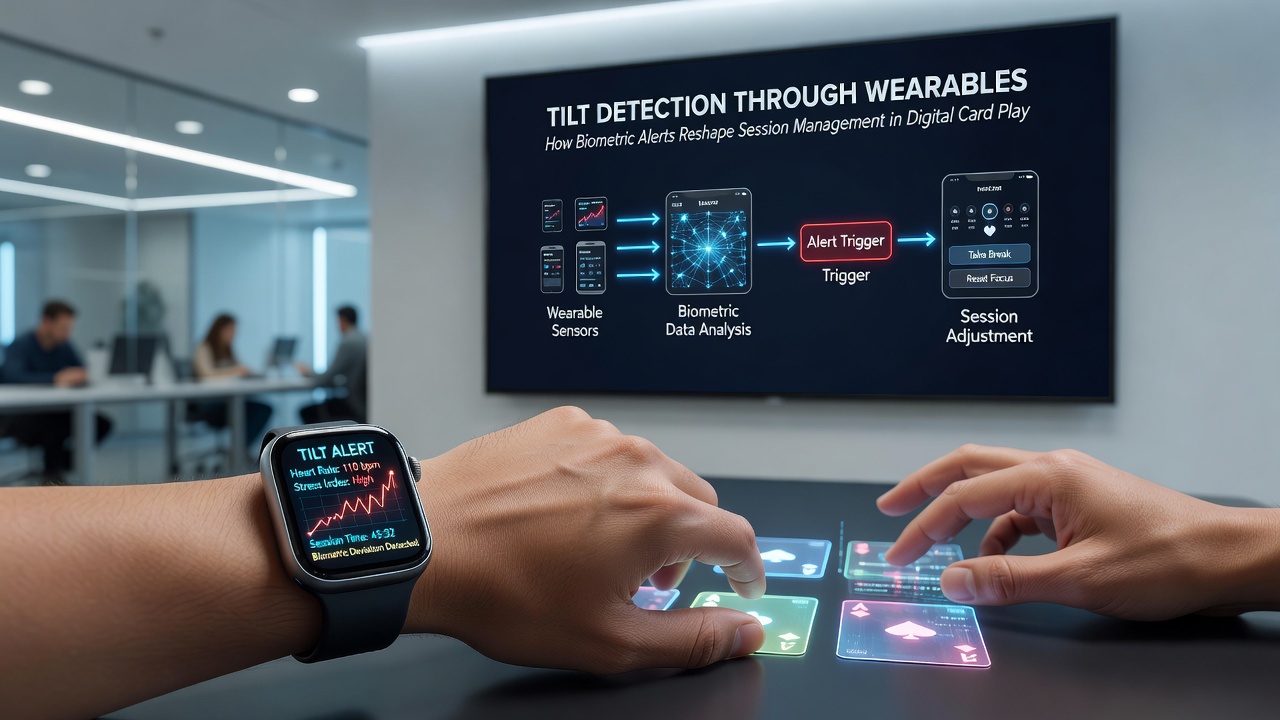
One case examined by academic observers involved a European operator that embedded tilt detection into its mobile application, resulting in players extending session lengths only when biometric readings remained stable while shortening play after repeated alerts. The approach differs from traditional time-based or deposit-based limits because it responds to individual physiological responses rather than uniform rules applied across all users.
Session Management Outcomes
Evidence from industry reports indicates that platforms incorporating biometric alerts report higher player retention over six-month periods compared with those using only static limits, because the system allows continued play during calm periods while interrupting cycles of escalating risk. Observers note that this dynamic management reduces the frequency of complaints related to extended losing streaks.
What's interesting is how the technology also supports third-party oversight, since aggregated anonymous data streams help researchers identify population-level patterns in tilt frequency across different game variants and stake levels. A 2026 analysis by the Australian Gambling Research Centre linked specific heart rate spikes to particular card game events such as near-miss outcomes, providing operators with granular information for refining alert sensitivity.
Future Developments and Regulatory Context
Engineers continue refining algorithms that distinguish between positive excitement and problematic tilt by incorporating additional sensors such as blood oxygen levels and sleep quality data collected overnight. These layered metrics help platforms differentiate between recreational intensity and sustained emotional dysregulation that warrants stronger interventions.
Regulatory bodies in multiple jurisdictions now review wearable integration as part of licensing renewals, with emphasis on data privacy standards and the accuracy of tilt detection models. Players receive transparent explanations of how their biometric information influences session controls, and they retain the option to disable alerts while still accessing standard responsible gambling tools.
Conclusion
Wearable-based tilt detection has shifted session management in digital card environments from reactive measures to proactive, individualized responses grounded in physiological data. Continued refinement of these systems, supported by ongoing research from academic and regulatory sources, will determine how widely biometric alerts become standard features across card play platforms worldwide.