30 Oct 2026
Casino Architecture's Role in Shaping Blackjack Wagering and Session Durations
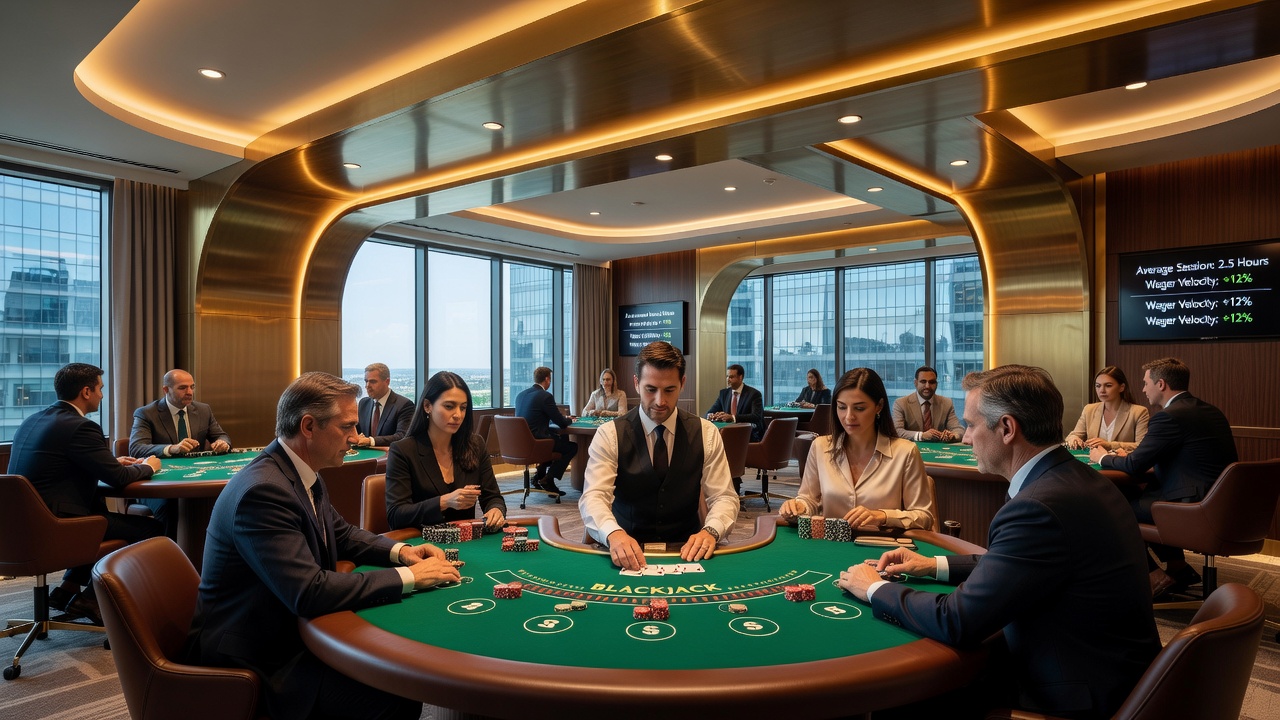
Casino designers have long studied how physical spaces guide player movement and decision-making at blackjack tables, with layouts that feature winding pathways and clustered amenities drawing people deeper into gaming areas while extending time spent at individual stations. Research from the University of Nevada Las Vegas has tracked how these spatial arrangements correlate with increased wager frequency, as players encounter fewer exit cues and remain engaged through continuous visual and auditory stimuli.
Pathways and Player Flow Patterns
Wide corridors that funnel traffic past rows of blackjack tables encourage spontaneous stops, whereas narrow, maze-like routes reduce visibility of exits and prompt longer stays according to observational data collected across multiple properties in the American Southwest. Observers note that such configurations lead players to place additional bets during transitions between tables, with session durations rising when seating arrangements place participants near high-traffic zones that sustain ambient energy without direct interruption.
Design elements like elevated ceilings over main gaming pits create an expansive feel that contrasts with intimate table surroundings, and this contrast has been linked in industry reports to steadier wagering patterns as participants settle into extended play rhythms. In October 2026 several major operators plan to unveil updated floor plans incorporating biometric sensors that measure dwell times at blackjack stations, building on earlier findings from the Canadian Institute for Gambling Research that tied spatial compression to measurable increases in average bet sizes.
Lighting, Sound and Environmental Cues
Strategic placement of low-intensity lighting around blackjack areas reduces glare on cards and chips while maintaining focus, and acoustic treatments that dampen external noise have shown correlations with prolonged table occupancy in controlled studies. Data indicates that subtle soundscapes blending distant slot chimes with table-specific audio keep players oriented toward ongoing hands rather than external distractions, resulting in documented extensions of session lengths by measurable intervals.
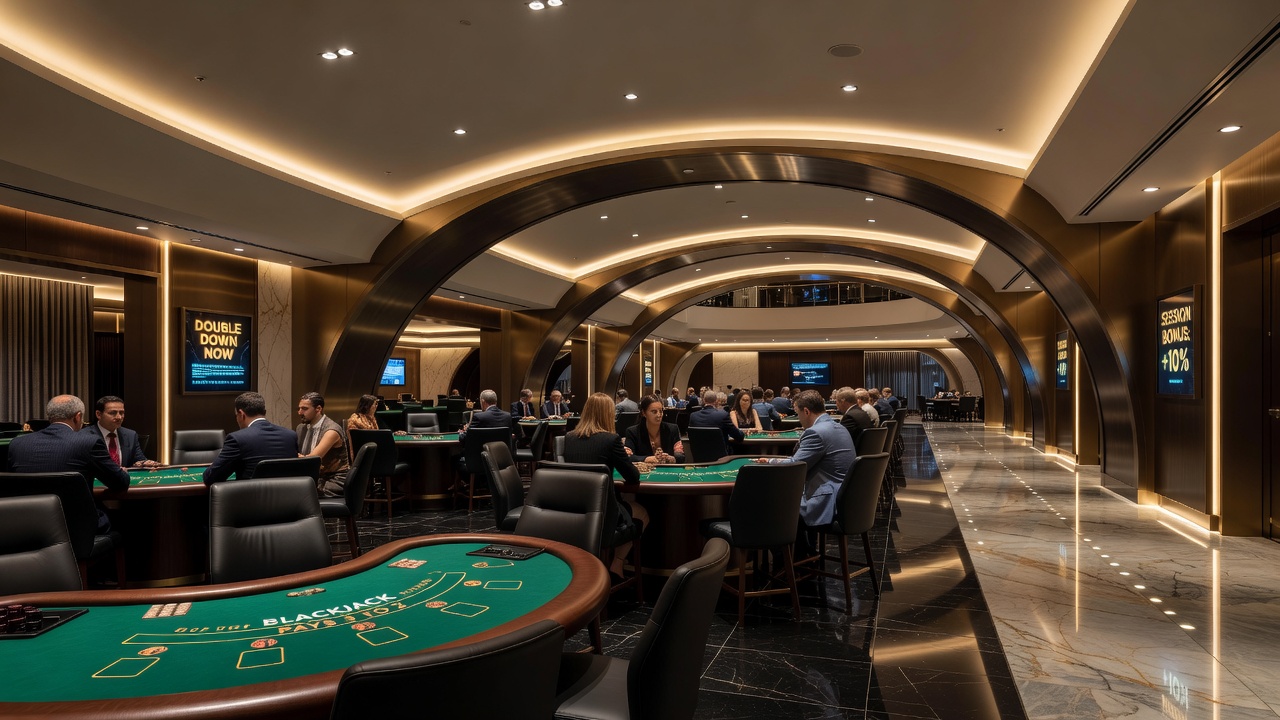
Researchers discovered that positioning tables away from bright perimeter lights yet near gentle air circulation zones supports consistent decision-making, and this arrangement appears in multiple venue analyses to stabilize wager amounts across longer periods. Those who've examined environmental psychology in gaming settings point to how color palettes on walls and carpets subtly direct sightlines back toward active play surfaces, reinforcing patterns where participants continue betting sequences without frequent pauses for reorientation.
Table Placement and Amenity Integration
Blackjack stations situated near refreshment stations or rest areas experience different traffic flows than those embedded deeper within pit clusters, with figures from European gaming associations revealing variations in average session duration tied directly to proximity metrics. Integration of digital displays showing game progress alongside physical barriers creates micro-environments that encourage repeated hand participation, while data from Australian regulatory reviews highlights how these setups influence the pace of chip handling and bet adjustments.
Designers often cluster tables with similar minimums together to streamline player transitions, and this grouping has produced observable effects on wagering escalation as individuals move between stations during single visits. Studies conducted by the Nevada Resort Association have quantified how such clustering reduces decision friction and supports extended engagement intervals compared to dispersed arrangements that require more navigation effort.
Conclusion
Architectural choices in casino environments continue to intersect with blackjack dynamics through measurable influences on movement, focus and persistence at tables, with ongoing developments in 2026 expected to refine these relationships further through data-driven adjustments. Evidence from multiple international sources shows consistent patterns where layout, lighting and spatial flow shape both wager volumes and time allocation without players consciously registering the mechanisms at work.